Understanding when to hire a professional plumber can save you time, money, and headaches. This article explores common plumbing problems and the situations where professional assistance is essential. Knowing the limits of your DIY capabilities and the conditions that warrant professional help is crucial in making the right decision. Professional plumbers bring expertise and experience, ensuring that issues are resolved quickly and efficiently. Below, we delve into the intricacies of plumbing issues, highlighting signs that require a professional touch and providing insights on choosing the right plumbing expert for your needs.
1. What are common signs that indicate I need a plumber?
Plumbing issues often exhibit early signs that can help homeowners take timely action. Persistent slow drains in sinks, bathtubs, or showers are a telling indication of potential blockages in your drainage system. Gurgling sounds from the toilet or sink, as well as water backing up from one fixture while using another, signal possible clogs or sewer line problems. A sudden spike in the water bill without increased usage could also suggest hidden leaks. Water discoloration, persistent wet spots on walls, ceilings, or floors, and low water pressure are additional signs indicating the need for professional evaluation.
Beyond these overt signs, subtle symptoms often precede severe issues. For instance, mysterious foul odors might mean a blocked vent or sewer gas leak. An overactive or constantly running water heater could signal internal issues requiring specialized attention. Regular pipe corrosion and noises, especially when using fixtures, point to underlying system problems needing precise intervention. Many of these scenarios present complexities that surpass the scope of DIY fixes, necessitating professional plumbing expertise. Unattended, these signs could lead to more extensive and expensive damage over time.
Moreover, ignoring these signals can exacerbate problems, leading to water damage, mold growth, and compromised structural integrity. Timely hiring of a plumber ensures that these issues are nipped in the bud, preserving home safety, value, and functionality. Plumbers are trained to identify the root cause of these symptoms and offer tailored solutions. They possess specialized equipment and techniques to efficiently diagnose and resolve plumbing woes. Given the potential risks of untreated plumbing issues, consulting a professional at the first sign of trouble is a wise choice.
2. Can I fix minor plumbing issues myself?
Taking a DIY approach to minor plumbing issues can be practical, especially for simple tasks. For instance, a clogged drain can often be tackled with household tools like a plunger or plumber’s snake. Leaky faucets may only require replacing washers or tightening valves, tasks that can typically be managed with basic tools and a bit of patience. Installing new fixtures like showerheads or faucet aerators is generally straightforward and can enhance performance and aesthetics. Simple toilet repairs, such as adjusting the fill valve or replacing a flapper, are also feasible for the average homeowner.
Despite these DIY potentials, there’s a fine line between manageable and complex plumbing issues. Misjudging this threshold can exacerbate minor problems, leading to costly repairs. It’s crucial to assess your confidence and knowledge level before attempting any repair. Rushing into DIY without proper understanding can result in improper fixes, more damage, and additional expenses. For example, using inappropriate tools or excessive force can damage pipes or fixtures, creating leaks or more severe problems down the line.
Ultimately, while quick fixes can be gratifying, overstepping your DIY skillset poses significant risks. There’s no shame in consulting a professional when in doubt. Their expertise ensures problems are addressed correctly and efficiently, preventing potential escalation. Professional plumbers also provide warranties for their work, offering peace of mind and coverage for future issues. Therefore, recognizing your limits and calling a professional when necessary ensures home plumbing systems remain in optimal working condition.
3. What are the risks of delaying plumbing repairs?
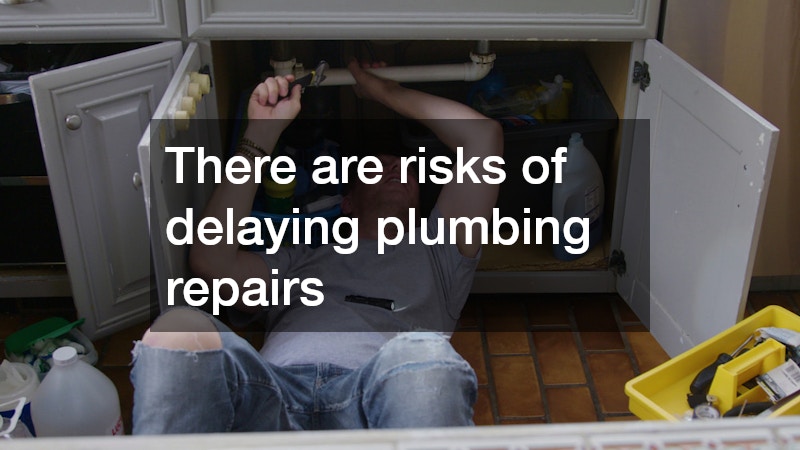
Delaying plumbing repairs can have severe repercussions, significantly affecting both the structural integrity and financial aspects of homeownership. Unaddressed leaks, for example, can cause water damage, compromising wood, drywall, and other materials. Persistent water exposure creates favorable conditions for mold and mildew growth, which can pose health risks to inhabitants. Furthermore, constant leaking can erode surfaces and fixtures, leading to expensive replacements. The longer plumbing issues are neglected, the higher the potential repair costs, as minor issues can easily escalate into major problems.
Another significant risk of postponing repairs is the potential impact on your water bill. Hidden leaks, however small, contribute to water wastage, inflating utility expenses over time. Running toilets, dripping faucets, and other unnoticed issues cumulatively cause substantial financial drain. Delayed repairs can also lead to system inefficiencies, such as reduced water pressure or sporadic water temperature changes, affecting overall convenience and comfort. The longer repairs are delayed, the more homeowners may incur not just repair costs, but also higher utility bills.
The risks extend beyond physical and monetary implications; they can affect home value and insurability. Continuous plumbing problems can devalue property, deterring potential buyers or reducing selling price. Insurance providers may also view neglected plumbing as negligence, possibly affecting coverage in case of damage. Proactive plumbing maintenance ensures that problems are caught early and repairs are made timely, preserving your home’s structural, financial, and market integrity. It’s imperative to recognize these risks and act promptly to mitigate their impact.
4. How to choose the right plumber for my needs?
Selecting the right plumber is critical for ensuring quality service and long-term results. First, verify credentials and certifications, as these indicate a plumber’s training and adherence to industry standards. Always check for proper licensing and insurance, which protect both homeowner and plumber from liabilities or accidental damages. Seeking recommendations from friends or family can also provide insight into the plumber’s reliability and workmanship. Reading online reviews from previous clients offers a broader perspective on their reputation and service consistency.
Beyond qualifications, assess the plumber’s experience level, especially with the specific job at hand. Experienced plumbers are more adept at diagnosing problems accurately and deploying effective solutions. It’s also beneficial to gauge their expertise in various plumbing areas, such as installations, maintenance, or emergency repairs. Communication is another critical factor; a good plumber should be transparent about scope, costs, and potential challenges of the work. They should provide detailed estimates and be willing to answer any questions you might have about your plumbing concerns.
Finally, evaluating pricing structures and service warranties is crucial before making your decision. While cost should not be the deciding factor, it’s essential to ensure that rates are competitive and within your budget. Be cautious of significantly lower prices as they might indicate substandard service or inferior materials. A service warranty provides additional assurance and coverage, reflecting a plumber’s confidence in their work quality. By selecting a well-qualified, experienced, and customer-focused plumber, you ensure peace of mind and satisfactory outcomes for your plumbing needs.
5. What should I expect during a plumbing service call?
During a plumbing service call, clarity and professionalism are fundamental. Upon arrival, plumbers assess the situation, asking questions to understand the history and specifics of the issue. They conduct thorough inspections, utilizing specialized equipment to diagnose problems accurately. After identifying the cause, they discuss findings with the homeowner, explaining the necessary repairs or replacements. This consultation stage is the right time to address concerns or inquire about repair timelines and costs.
Post-evaluation, the plumber will execute the agreed-upon plan, employing industry-standard practices and tools. Throughout the repair process, attention to detail and adherence to safety protocols are critical. The plumber strives to minimize disruptions, working efficiently to restore plumbing to optimal functionality. It’s typical for them to provide updates as they work, ensuring transparency and managing homeowner expectations. Upon completion, they conduct tests to confirm the issue has been resolved and the system functions correctly.
Before concluding the service call, plumbers often offer maintenance tips to prevent future issues. They should ensure that the work site is clean and restored to its prior state, leaving no debris or mess behind. The final phase involves reviewing the work performed and clarifying terms of warranties or follow-up support, if applicable. Professionalism extends beyond the actual repair, encompassing post-service follow-up and responsiveness to any subsequent concerns. A satisfactory service experience ensures long-term trust and reliability between homeowners and their chosen plumbing professional.
While some plumbing issues can be tackled with DIY efforts, hiring a professional plumber offers the expertise and reliability needed to solve complex problems efficiently. Understanding when to call in the experts can prevent minor issues from becoming major headaches. Professional plumbers play an essential role in maintaining the safety, functionality, and value of home infrastructure. They bring a level of expertise and technical know-how that cannot be understated in resolving plumbing problems. Effectively managing these issues not only preserves home integrity but also provides peace of mind for homeowners.